





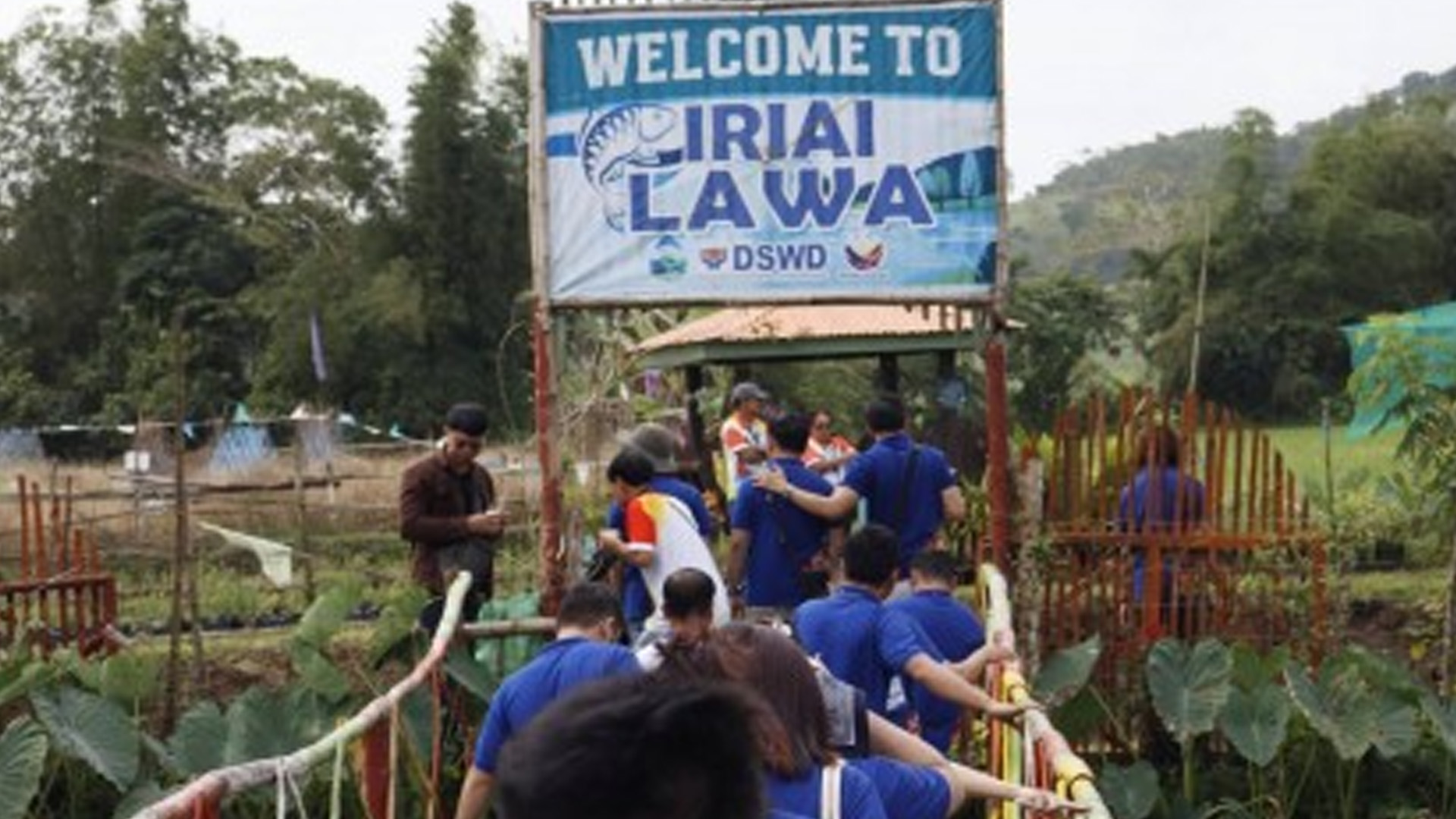






A community-based farmers’ group in San Carlos City in northern Negros Occidental is reaping the gains from the successful implementation of livelihood initiatives under the Project Local Adaptation to Water Access (LAWA) and Breaking Insufficiency through Nutritious Harvest for the Impoverished (BINHI) of the Department of Social Welfare and Development (DSWD).
Located in Sitio Alinga-ob, Barangay Quezon, the Initihan River Irrigators Association Inc., a 130-member farmers’ organization established in 2017, supports 50 partner-beneficiaries and manages irrigated rice fields and communal gardens using sustainable and organic farming practices.
The site’s key initiatives include a 600-square-meter small farm reservoir (LAWA), a 500-square-meter communal vegetable garden (BINHI), integrated tilapia production, and support for youth-led agriculture, including a 4H Club garden that utilizes water from the LAWA facility.
Data on Thursday showed the Initihan River Irrigators Association Inc. harvested 285 kg of tilapia and 1,000 kg of vegetables from mid-November to December 2025.
“They are organized to manage irrigation resources, increase farm productivity, and improve members’ livelihoods through sustainable agricultural practices. The farmers adopt organic farming methods using natural materials,” DSWD Disaster Response and Management Bureau Director Maria Isabel Lanada said in a statement.
Lanada led the site visit and immersion in Barangay Quezon on Wednesday together with personnel from the DSWD central office, provincial and regional focal persons, and executive assistants of regional directors from across the country.
Considered a model and learning site by partner institutions, the Initihan River Irrigators Association Inc. was named the best Project LAWA at BINHI site during the agency’s 2025 Risk Resiliency Program-Climate Change Adaptation and Mitigation Regional Program Implementation Review.
One of the initiatives of the Marcos administration to address the ill effects of climate change, Project LAWA and BINHI is seen as a sustainable solution to combat hunger and decrease economic vulnerability of the communities by addressing water scarcity and food insecurity exacerbated by climate change and disasters. (PNA)