



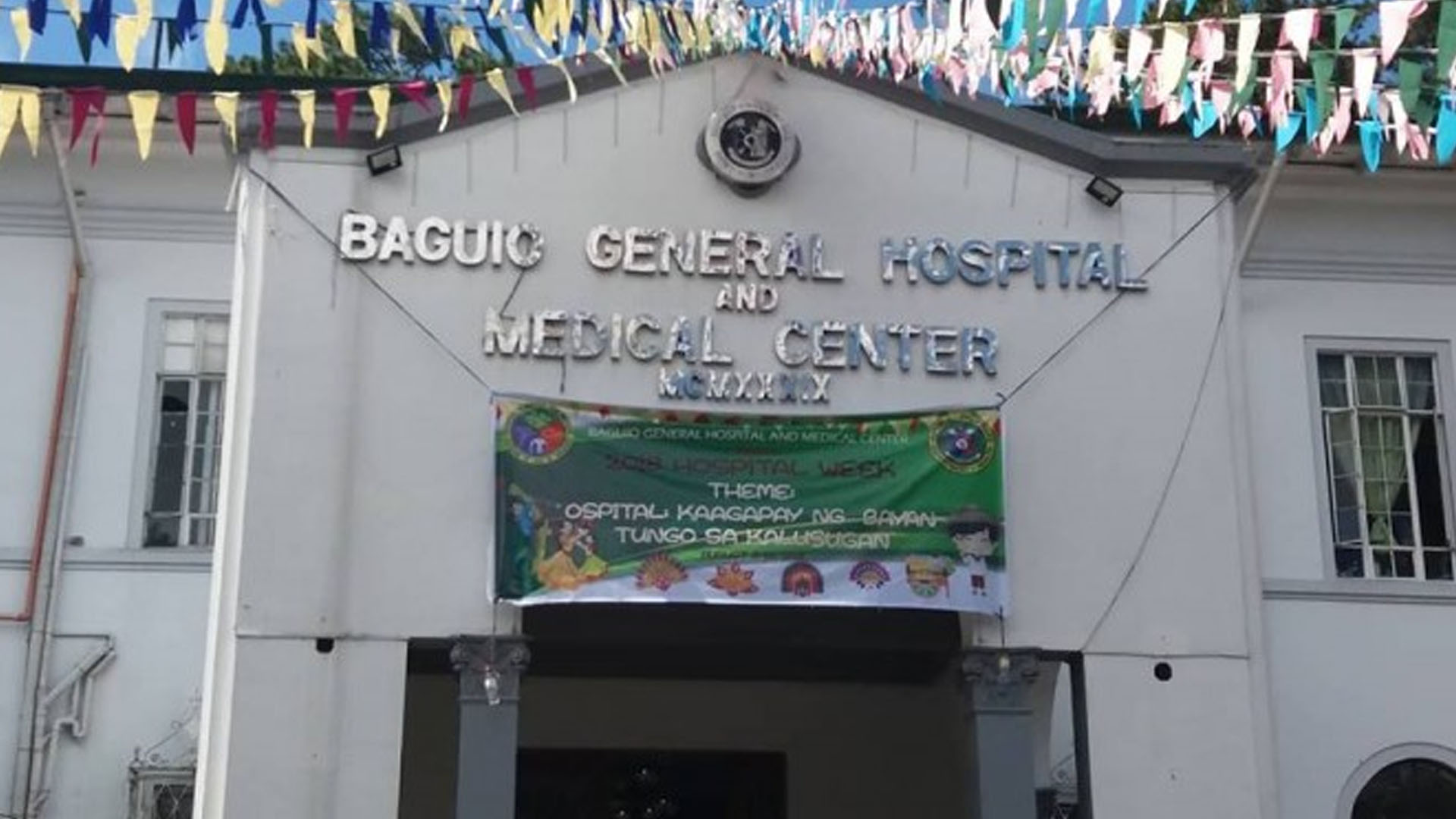






The Baguio General Hospital and Medical Center (BGHMC) has opened its first adolescent-friendly facility to provide specialized care for patients ages 10 to 19 with acute and chronic illnesses, including those transitioning to adult health care.
Dr. Avegail Cardinal, an adolescent medicine specialist at BGHMC, said Friday the hospital is seeing a growing demand for services tailored to adolescents.
“The growing demand among our youth patients is no longer limited to acute illnesses such as pneumonia and dengue,” Cardinal said during a press conference.
“We are seeing an increasing number of patients with chronic illnesses involving the heart and kidneys, those undergoing dialysis, patients with diabetes, as well as those with psychosocial and mental health concerns.”
The Department of Health-accredited Level 3 adolescent-friendly facility provides holistic, accessible and age-appropriate services designed to address the unique health needs of adolescents.
“The transition care clinic at BGHMC is the first in Northern Luzon and the first outside Metro Manila,” she said.
Cardinal said teenagers account for about 20 percent of the hospital’s patients.
She cited findings from the Young Adult Fertility Survey showing that many adolescents face mental health issues, sexual abuse, violence and substance use.
The center operates separately from other hospital units and offers adolescent medicine, general pediatrics, a teen-parent clinic and transition care.
The transition program prepares patients approaching adulthood to move smoothly into adult health services and helps prevent them from discontinuing treatment.
“We had patients who were treated for diabetes mellitus as children but stopped seeing their doctors when they became adults,” Cardinal said.
“They later returned with complications such as chronic kidney disease, which is often the result of uncontrolled diabetes.”
She added that the hospital treats an average of 15 to 20 adolescent patients daily, with numbers continuing to rise as it serves patients from across the Cordillera region.
“These figures highlight the growing demand for an adolescent-friendly facility,” Cardinal said.
The adolescent care program is also supported by school- and community-based initiatives and includes parenting modules to help parents and their children bridge generational gaps.
The clinic also aims to help address suicide risk and teenage pregnancy, which are often associated with mental health problems and social isolation.
“We want to treat not only their physical condition but also their mental health concerns because these become much more difficult to manage once they worsen,” Cardinal said. (PNA)