





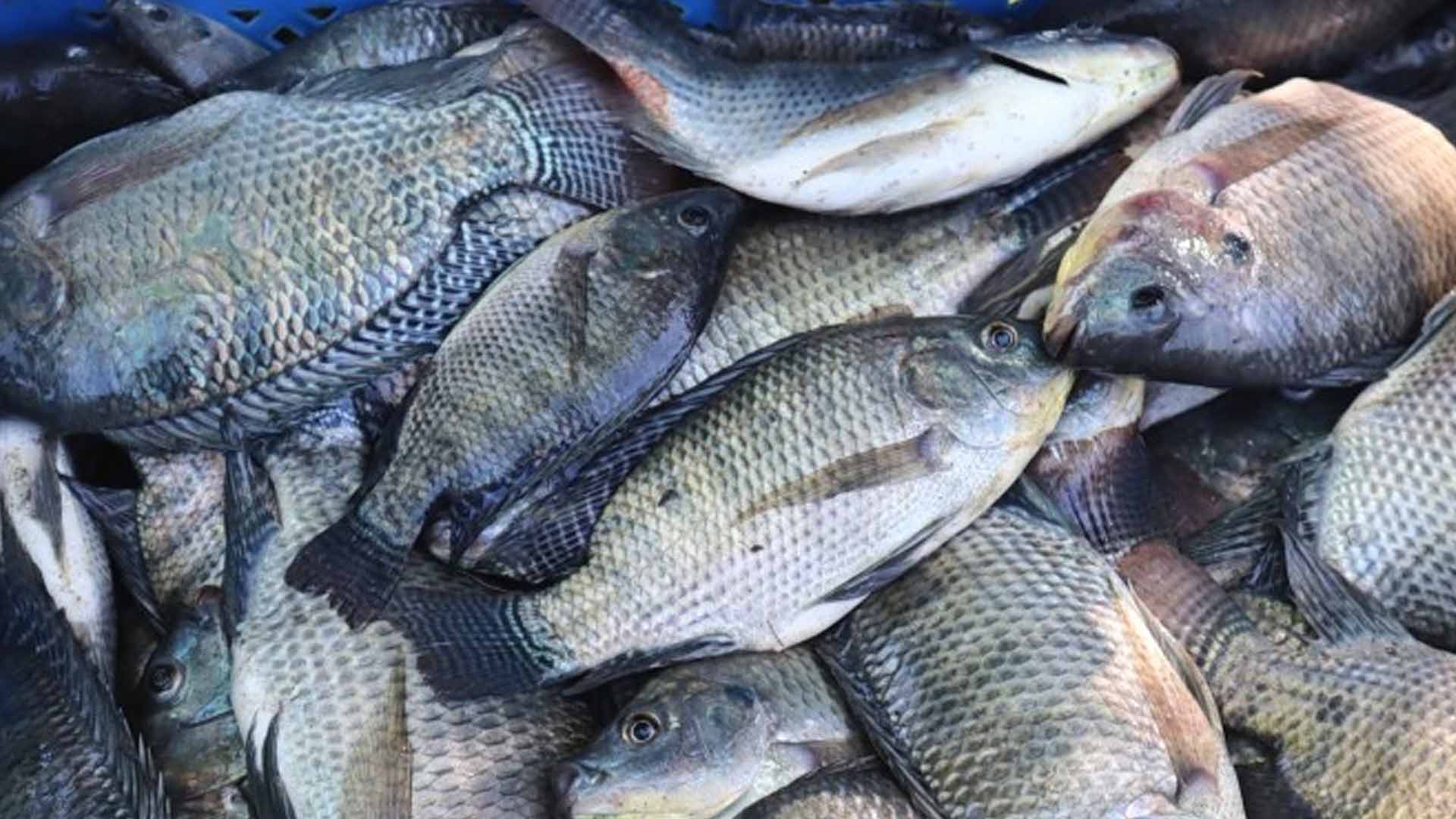






Giving thanks comes in different ways, but for the fisherfolk and leaders of Barangay Ambuklao in the municipality of Bokod, Benguet, it is giving the people a treat and joy through the “Tilapia Festival”.
“The tilapia industry is the main livelihood of our people in Ambuklao, we produce about 1,200 kg. daily, and this is the primary reason we have the festivities, for our village folks and the visitors who join us in thanksgiving for the blessings that we receive from the natural resources we enjoy,” said Ambuklao Barangay Captain Reynaldo Tello in a recent interview on the sidelines of Tilapia Festival on March 13.
Tilapia are also raised outside the fish cages installed by the Bureau of Fisheries and Aquatic Resources (BFAR), and these fish are freely available for anyone to catch for personal consumption or for sale.
Ambuklao is the host of the hydroelectric power plant, including the reservoir, which is the source of water that powers the generator.
Tello said because of the water, they have the dam where about 80 fish cage operators are growing tons of tilapia.
From this, livelihoods have emerged—particularly among live fish vendors along the national highway of the Benguet–Vizcaya Road, as well as those who transport and sell the fish in Baguio and in various towns across Benguet, Mountain Province, and the Cagayan Valley.
There are also processors making “smoked tilapia,” which they hope to further improve in terms of packaging and making other processed products.
“We will be coordinating with DTI (Department of Trade and Industry) and DOST (Department of Science and Technology) to help our people in terms of processing so that we can create additional livelihood,” Tello said in Ilocano.
“The one-day festival is an opportunity for the village folks to have fun, relax, and partake of the grilled tilapia prepared by the barangay government for everybody to eat,” he added.
At least 600 kilograms of tilapia were prepared for the community during the festival. The grilling was also done by the community members.
He also said that the dam is the primary tourism attraction in their village, which they are currently working to further develop and improve.
“We invite the public to compare our tilapia with those from other sources so they can see and taste the difference for themselves,” he said.
“We hope to adjust our festival schedule to a weekend so that our children will all be here for the festivities. The more people who participate, the happier it will be, and the more people will talk about it,” he added.
Tasty, ‘sweet’
Grace Doctolero-Flores, a reporter who joined the festivities and partook of the grilled tilapia said the fish is tasty compared to what she buys at the city market in Baguio.
She said traveling along the Benguet-Vizcaya road is also an opportunity to buy the fresh fish being sold along the highway.
Oliver Tabirao, a fish cage operator, said that BFAR regularly conducts water quality tests in the dam to ensure that oxygen levels remain within safe limits and to prevent fish kills.
“According to those who buy the tilapia, the flesh is tasty and does not have an aftertaste. They describe it as sweet and flavorful because ours are grown in fish cages in the deep reservoir, not in fish pens,” he said in Ilocano.
Another fish cage operator, Joseph Magno, said their industry will continue to survive despite the rising cost of fuel.
“We will resort to manually paddling our boats to bring our produce to the port so we won’t have to increase the farm-gate prices,” he said. (PNA)