










For decades, Misamis Occidental remained largely outside the country’s mainstream tourism conversation, overshadowed by Mindanao’s established tourism destinations and household names.
Today, the province is on an ambitious and aggressive push to make its tourism industry capable of competing on the national stage. Backed by major public investments, aggressive destination development, and expanding private-sector partnerships, Misamis Occidental is positioning itself as one of Mindanao’s next tourism growth areas —an effort that drew around 30 members of the Philippine Tour Operators Association (PHILTOA) for a three-day familiarization tour this week.
The visit sought to answer a straightforward but consequential question: Is Misamis Occidental ready to become one of Mindanao’s next major tourism destinations?
After traveling across mountains, coastlines, heritage towns, and emerging tourism estates, participants repeatedly arrived at one conclusion that Misamis Occidental may no longer be an emerging destination. It may simply be one that the broader tourism market has yet to discover.
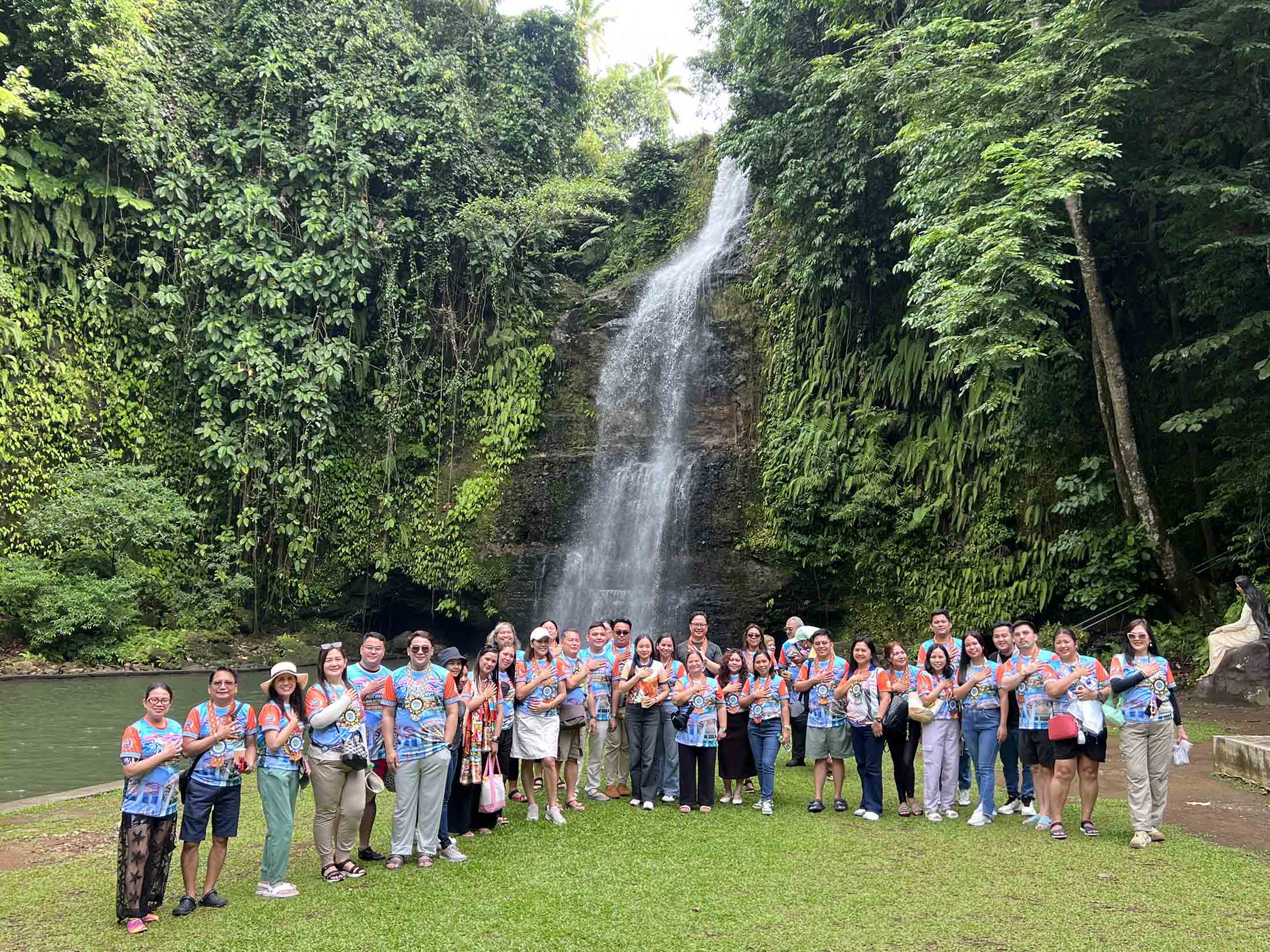
The familiarization tour also reflected growing collaboration among local governments, the tourism industry, and national stakeholders under Governor Henry Oaminal’s tourism push —a strategy aimed not merely at attracting visitors, but at developing marketable tourism products for domestic and international travelers.
Building a destination
Oaminal described PHILTOA’s visit not only as a tourism activity but as the beginning of long-term partnerships.
The governor said Misamis Occidental possesses a combination of natural attractions, cultural heritage, festivals, peaceful communities, and “countless hidden gems waiting to be discovered by travelers from around the world.”
“We believe that seeing is believing. No brochure, photograph, or promotional video can truly capture the experience of standing before our natural wonders, engaging with our local communities, or witnessing the authentic warmth of our people,” he said during a fellowship night that culminated the cross-province trip.
Beyond sightseeing
Unlike many developing destinations that continue to struggle with accessibility, much of Misamis Occidental’s tourism infrastructure is already in place.
Road networks linking heritage towns, coastal municipalities, mountain destinations, and agricultural communities are largely paved and accessible. The opening of the 3.17-kilometer Panguil Bay Bridge, the longest water-spanning bridge in Mindanao, has further strengthened connectivity between Northern Mindanao and the Zamboanga Peninsula.
Tour operators also noted the readiness of local communities. From tourism officers and accredited guides to resort workers and residents, visitors encountered communities comfortable communicating in both Filipino and English —a critical factor in attracting foreign travelers.
For PHILTOA, however, the tour extended beyond sightseeing.
The organization regularly conducts familiarization tours to evaluate emerging destinations and determine their potential as commercially viable tourism products. To that end, the Misamis Occidental itinerary included business-to-business (B2B) sessions involving PHILTOA members, local governments, hoteliers, resort operators, transport providers, and entrepreneurs.
PHILTOA President Maria Lourdes Japson said discussions during the B2B sessions have already expanded into thematic tourism products, including pilgrimage tours, educational travel, adventure circuits, and other niche tourism segments that could diversify the province’s tourism portfolio.
Where history meets tourism
The journey began at Tangub City’s Asenso Global Gardens before proceeding to Ozamiz City’s centuries-old Fuerte de la Concepcion y del Triunfo, or Cotta Fort, one of Mindanao’s best-preserved Spanish-era fortifications that protected Pangil Bay communities from marauding pirates.
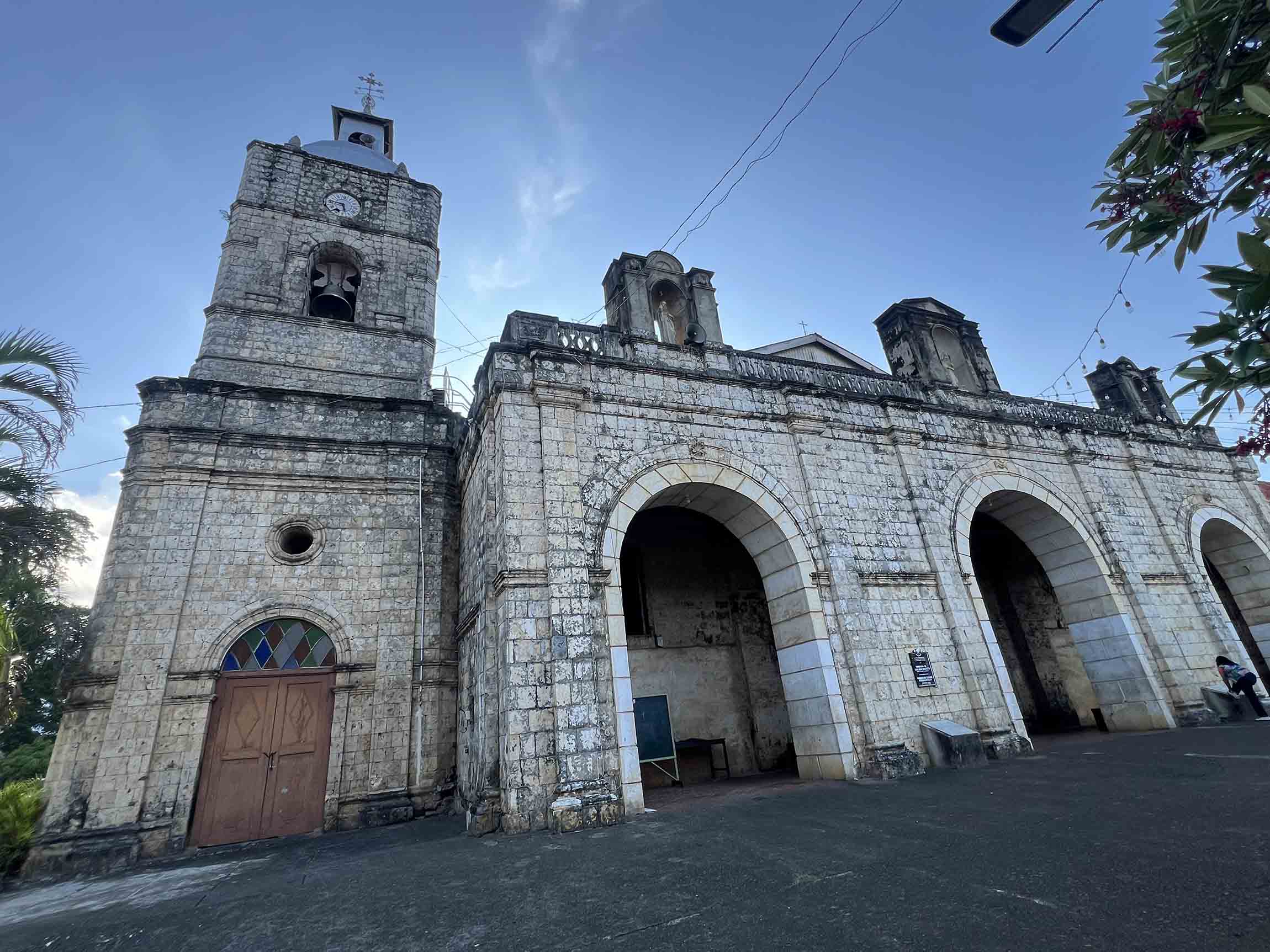
Participants also visited the Saint John the Baptist Parish Church in Jimenez, built in 1862 and regarded as one of Mindanao’s finest surviving examples of Baroque church architecture, as well as the historic Clarin Suman House and the Tudela Highland Resort and Leisure Park.
The first day concluded at the province’s flagship tourism development project, the Asenso Misamis Occidental Resort and Aquamarine Park (AMORAP) in Sinacaban.
Officially launched in April during the visit of delegates of Miss Universe Philippines 2026, the 49-hectare government-backed development aims to transform the former Misamis Occidental Aquamarine Park into a major eco-tourism, sports, and leisure destination overlooking Iligan Bay.
Into the mountains
The second day shifted to the province’s eco-tourism offerings.
Participants traveled to Don Victoriano Chiongbian, known as the “summer capital” of Misamis Occidental, located within the buffer zones of the Mount Malindang Range Natural Park, an ASEAN Heritage Park.
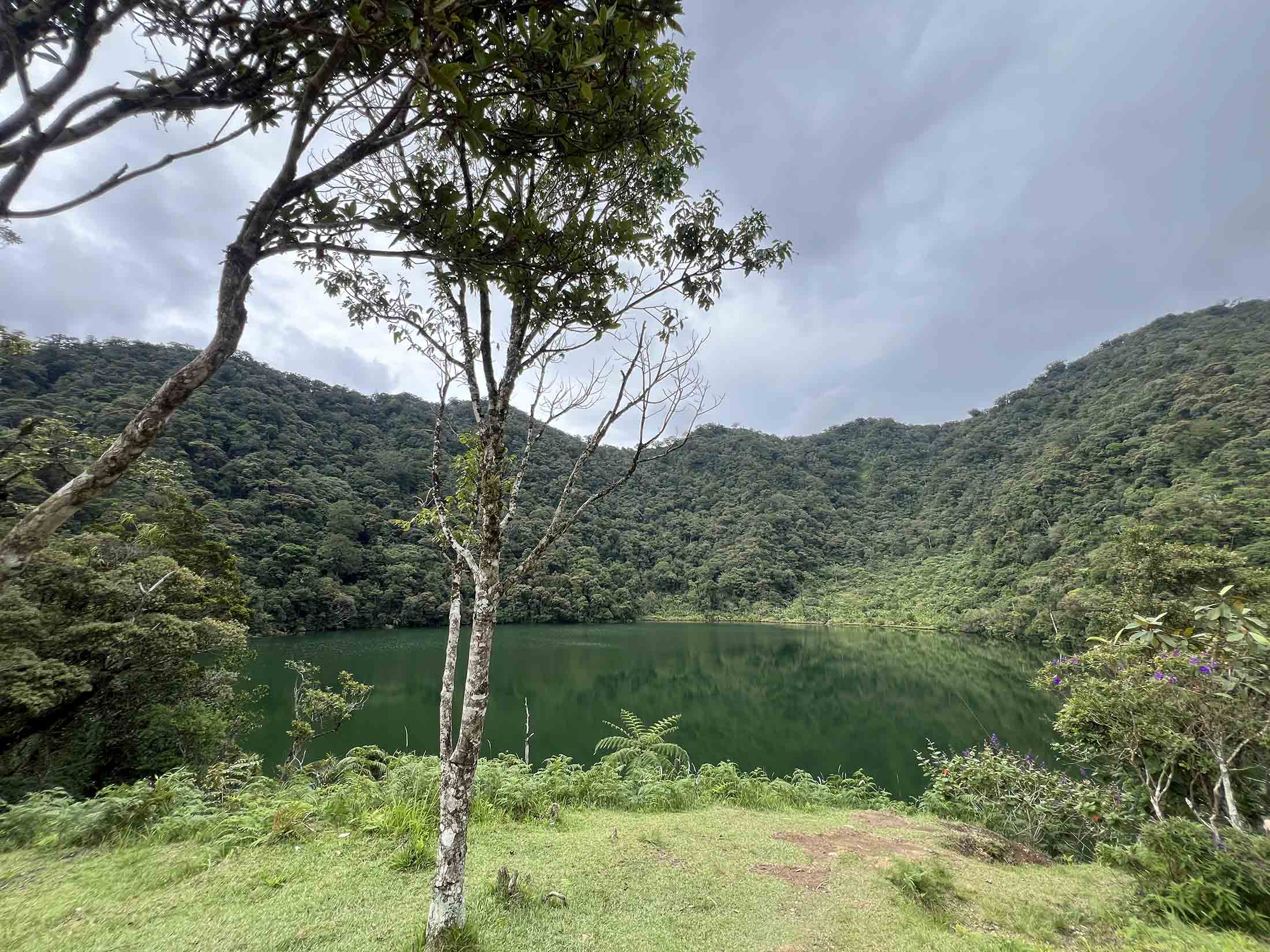
The itinerary included visits to the scenic Lake Duminagat, a crater lake considered sacred by the indigenous Subanen people, and Piduan Falls.
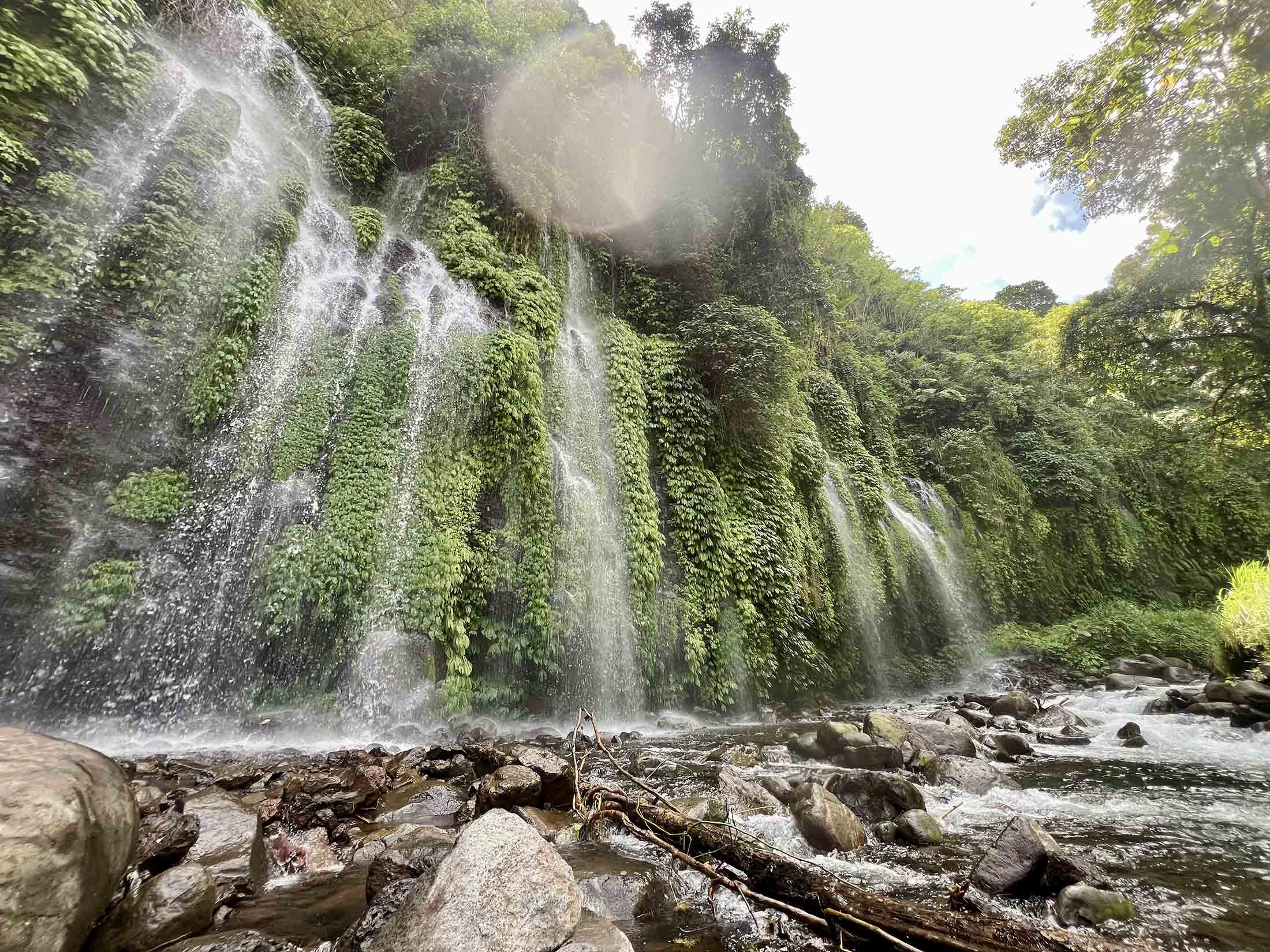
Further north, participants also visited Sapang Dalaga Falls and the iconic Caluya Shrine, a 55-foot replica of Rio de Janeiro’s Christ the Redeemer created by renowned Mindanaoan artist Kublai Millan.
Betting on the sea
The final day focused on marine tourism.
Participants embarked on island-hopping activities centered on Sperm Island off Jimenez town, known for its distinctive aerial shape, near-powdery white sandbars, and panoramic views of the Mindanao Sea.
The tour also featured several tourism and hospitality establishments, including Aya Hotel and Residences, Kenjelo Farm Resort, Agricio Farm Resort, and local culinary destinations across the province.
Tourism as economic strategy
For Misamis Occidental, tourism has evolved from a promotional campaign into an economic development strategy.
Under the Asenso Turismo campaign, the provincial government has invested heavily in tourism infrastructure, destination development, event hosting, and strategic partnerships designed to raise the province’s national profile.
The province has hosted tourism conventions, sports competitions, beauty pageants, and major national events as part of efforts to introduce Misamis Occidental to broader markets.
The strategy appears to be producing measurable results.
Provincial tourism records show visitor arrivals increased from 1,716,897 in 2024 to 1,889,937 in 2025, representing growth of about 10 percent in a single year.
The strongest gains came from visitors outside the province, whose numbers increased by 44 percent, from 345,241 to 496,797. Foreign visitor arrivals also rose by nearly 50 percent, from 3,111 to 4,661.
Meanwhile, local visitors remained the backbone of the tourism industry, accounting for 1,388,479 arrivals in 2025, or nearly three-fourths of total tourist traffic.
Provincial officials have set an ambitious target of surpassing 2 million visitor arrivals in 2026.
Ready for more
For tour operators, attractions alone rarely determine whether a destination succeeds. Accessibility, safety, governance, and reliability matter just as much.
Misamis Occidental is among the areas in Mindanao declared insurgency-free after years of sustained security operations, allowing local governments to increasingly focus on tourism and economic development.
Throughout the tour, participants observed visible police personnel, disaster response teams, tourism officers, and barangay safety units stationed across destinations.
Oaminal acknowledged that airport infrastructure remains a major challenge.
He said the provincial government is addressing the issue through the construction of a new PHP700-million passenger terminal building at Ozamiz Airport, with procurement expected to begin next month and operations targeted by the first quarter of 2028.
An additional PHP1-billion airport modernization package, which includes a new control tower, cargo facilities, expanded parking areas, and night-rating capability, is also being pursued in coordination with the Civil Aviation Authority of the Philippines and the Department of Transportation.
Misamis Occidental still lacks the brand recognition of some of the country’s established tourism destinations. Yet what it offers is increasingly difficult to find in a single destination: heritage sites, mountain landscapes, waterfalls, marine attractions, indigenous culture, culinary traditions, agriculture, and modern leisure developments.
If investments continue, partnerships deepen, and coordination among government, communities, and the private sector remains strong, Misamis Occidental may soon outgrow the label of an “emerging destination” and carve out its own place in the Philippine tourism mainstream.
Misamis Occidental may have spent decades as one of Mindanao’s best-kept secrets. It no longer appears interested in remaining one. (PNA)