










There comes a point when a recipe is no longer just a recipe.
It becomes the dish served during birthdays. The meal prepared after a long workday. The taste a child grows up associating with home. In the Philippines, where food often carries memory as much as nourishment, what happens in the kitchen rarely stays there.
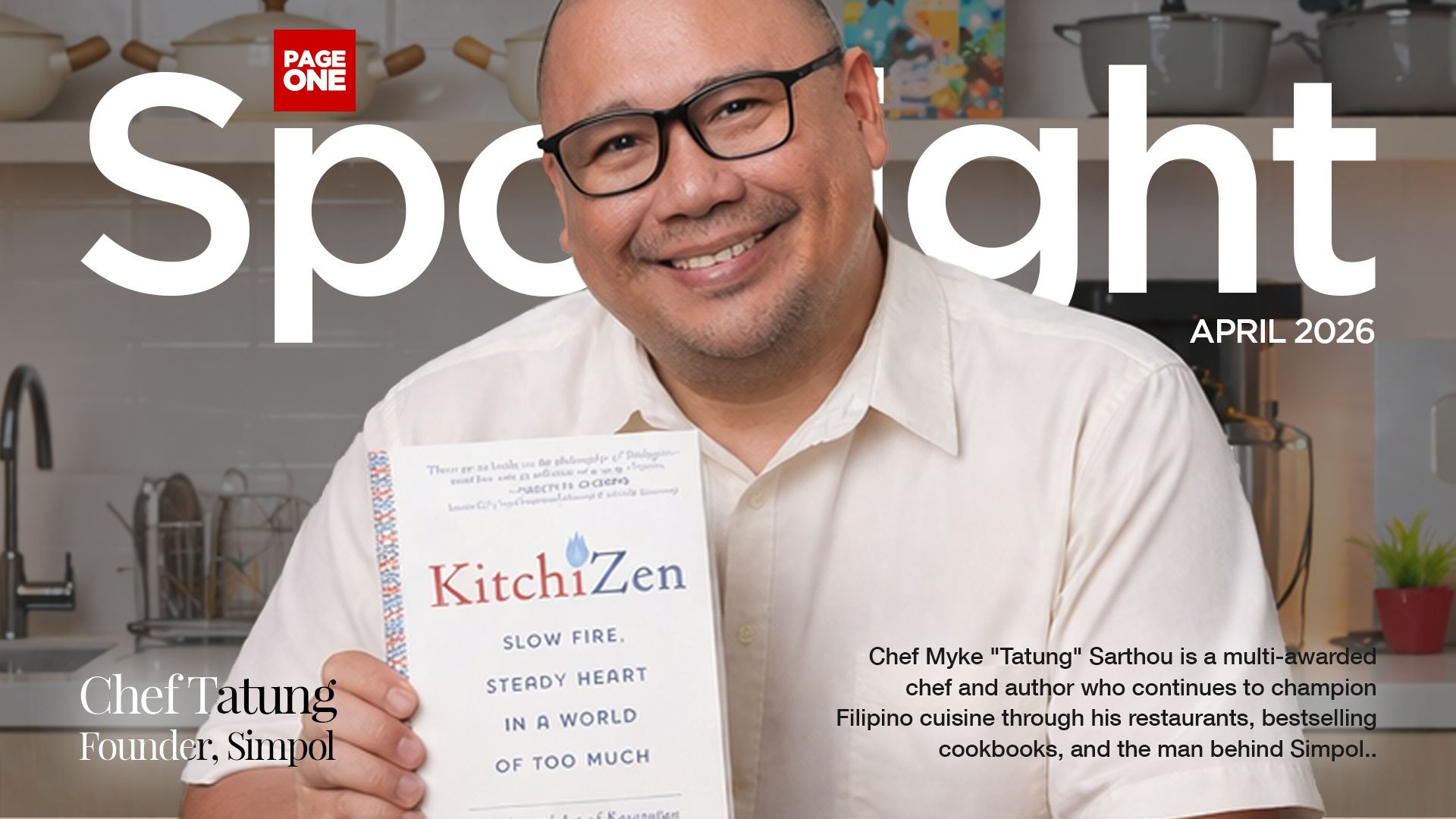
That is why the work behind Simpol has grown into something larger than content. For Myke Sarthou, known to many as Chef Tatung, building one of the country’s most trusted food platforms has also meant carrying a cultural responsibility.
He says he first felt the weight of that influence not through numbers, but through people.
“I first felt it when people began thanking me for the work,” Chef Tatung recalls.
At first, the messages were simple. Someone had tried one of his recipes for dinner. A family enjoyed a meal they cooked through one of his guides. But over time, those stories changed in tone and depth.
Families began sharing that dishes they learned through Simpol had become part of their own traditions. Parents were teaching children recipes they themselves first encountered through the platform. Meals once introduced through a screen were now entering homes, celebrations, and memories.
“That was when it became clear that something deeper was happening,” he says.
For Chef Tatung, food in the Filipino context has never been limited to flavor. It carries identity, family history, and emotional memory. Recipes are often inherited stories, repeated through hands rather than written words. To contribute something into that chain is not a casual act.
“When something you share enters that chain across generations, you begin to understand the responsibility that comes with it.”
It is a responsibility that extends beyond cooking demonstrations or kitchen confidence. Over the years, Chef Tatung has also spoken openly about food security, an issue that affects households far beyond the dining table.
He does not pretend there is a simple answer.
“Food security is a complex issue,” he says. “There is no single solution, and no single sector can solve it alone.”
For him, the conversation must include everyone involved in the food system: farmers, businesses, government, communities, and consumers. Rather than framing these groups as opposing sides, he believes meaningful progress begins when they are brought into dialogue.
“A platform like Simpol can bring different voices to the same table and encourage collaboration.”
That view also shapes how he approaches partnerships. In an era when audiences often question whether advocacy can coexist with sponsorship, Chef Tatung offers a more measured position. Working with brands, he says, does not automatically mean compromising values.
“What matters is transparency and clarity.”
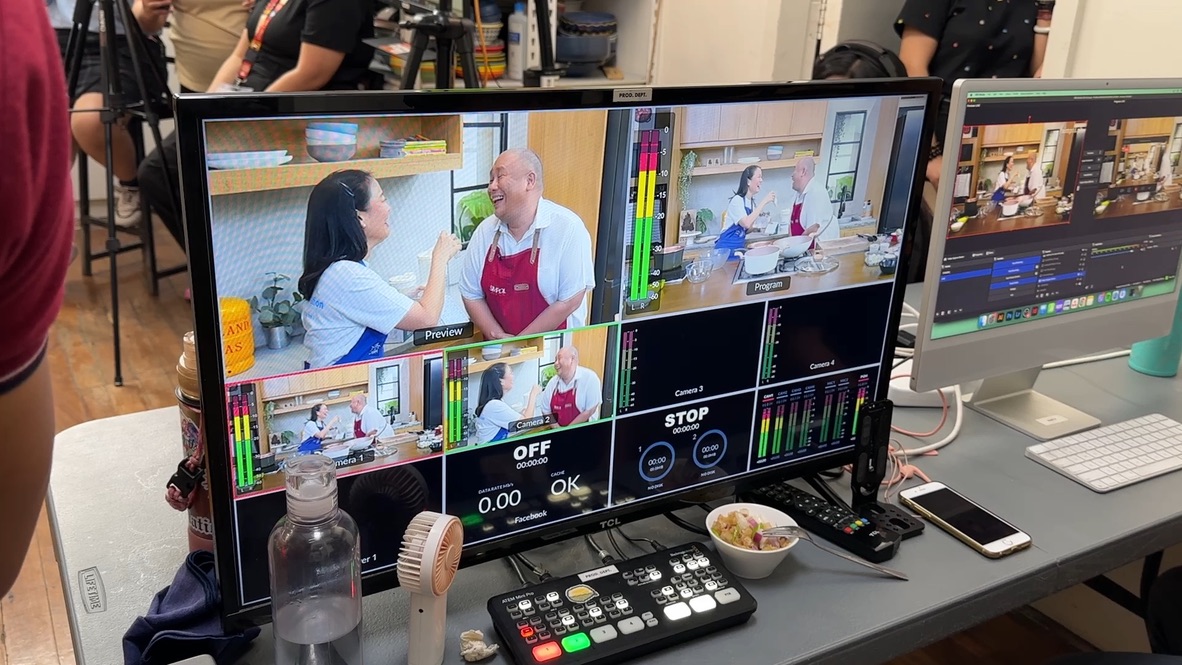
Media platforms cannot solve structural problems on their own. They cannot rewrite policy, rebuild systems, or replace political will. But they can keep urgent issues visible long enough for people to keep paying attention.
“Media cannot solve it alone,” he says, “but it can keep the conversation visible.”
That same sense of responsibility defines the boundaries Simpol refuses to cross.
Asked where he draws the line, Chef Tatung answers without hesitation.
“For me, the line is simple. Simpol will never be anti-people.”
It is a statement that sounds straightforward, but contains a broader ethic. Every decision, whether editorial or commercial, must ultimately serve the audience and respect the communities whose stories are being told. Reach matters. Revenue matters. Growth matters. But none of them can justify abandoning trust.
“Everything we do must serve the audience,” he says.
That principle helps explain why Simpol has endured in a crowded digital space. It has never positioned food as status or spectacle. Instead, it treats cooking as something intimate, practical, and deeply human. The kitchen is not used to distance people, but to gather them.
In many ways, that is why audiences continue to return.
Because behind every recipe is not just technique, but care. Behind every feature is not just strategy, but conviction. And behind every meal shared through the platform is the quiet understanding that in the Philippines, food is never only food.
It is memory.
It is identity.
And for those entrusted to shape that conversation, it is responsibility.